
Key takeaways
- The “Inversion” in Magic Valley traps pollutants near the ground, significantly increasing respiratory irritation.
- Cold, dry air reduces the effectiveness of your nose and throat in filtering out viruses.
- Children and seniors require proactive respiratory support during high Air Quality Index (AQI) days.
- Hydration and indoor humidity control act as your first line of defense against winter coughs.
- Persistent symptoms lasting longer than two weeks require medical evaluation to rule out bronchitis or pneumonia.
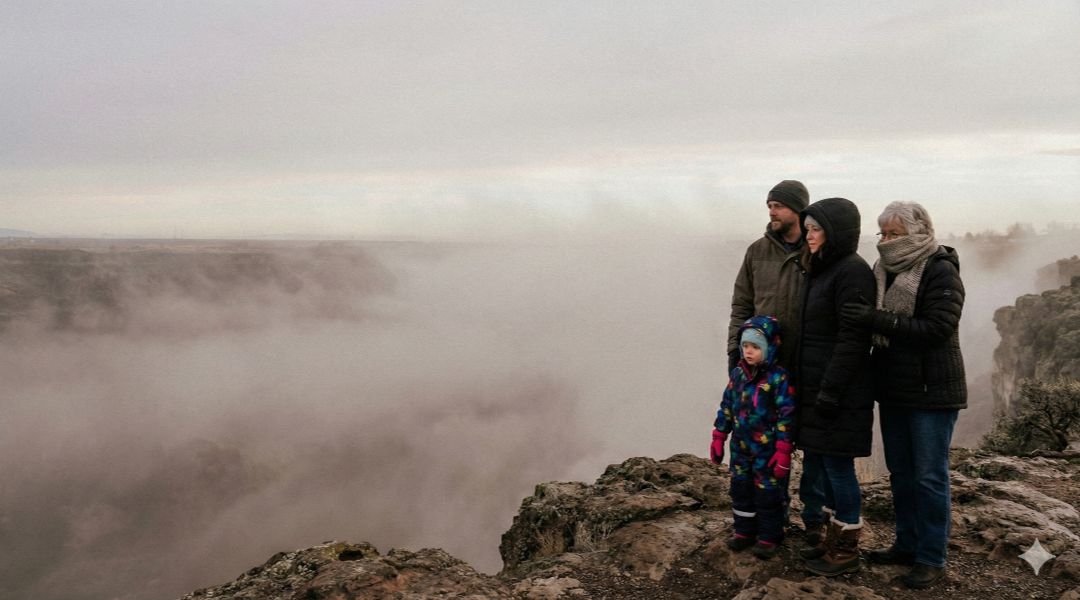
Winter in the Magic Valley brings stunning snow-capped views and cozy evenings. It also brings a unique meteorological phenomenon known as “The Inversion.” Residents of Twin Falls know this pattern well. Cold air settles into the canyon and valley floor, while warmer air sits on top like a lid. This stagnant atmospheric condition traps pollutants, dust, and wood smoke close to the ground. Your lungs face a double challenge: fighting off freezing temperatures and filtering concentrated particulate matter.
Understanding how this environment affects your body helps you stay healthy. You can enjoy the season without succumbing to the “Magic Valley hack.” We will explore why your cough worsens in winter and how to protect your family’s respiratory health.
The Mechanics of the Inversion and Your Lungs
You might notice the air looks hazy during January and February. That haze consists of microscopic particles trapped by the inversion layer. When you breathe this air, your respiratory system works overtime. The cold air paralyzes the tiny hair-like structures called cilia in your nose and bronchial tubes. Cilia usually sweep mucus and debris out of your airways. When they slow down due to cold, mucus builds up.
Trapped pollutants enter your lungs more easily when cilia function poorly. This combination triggers inflammation. Your body responds by coughing to clear the irritation. This explains why you might feel fine inside your house but start coughing immediately upon stepping outside. The sudden temperature drop shocks your airways, causing them to spasm.
Residents with pre-existing conditions feel this acutely. Asthma sufferers often report increased inhaler usage during inversion weeks. Even healthy individuals experience “winter lungs,” characterized by a dry, scratching sensation in the throat. You cannot change the weather, but you can change how you navigate it.
Protecting Vulnerable Little Lungs
Children breathe faster than adults. They inhale more air relative to their body weight. This physiological difference makes them more susceptible to poor air quality. Their lungs are still developing. Exposure to high levels of inversion pollution can trigger pediatric asthma or exacerbate existing allergies.
Parents often mistake inversion-related symptoms for a common cold. Watch for specific signs. If your child coughs primarily when active outside or during the night, air quality might be the culprit. Wheezing requires immediate attention. A persistent dry cough without a fever often points to environmental irritation rather than a viral infection.
We recommend monitoring the Air Quality Index (AQI) daily. Keep children indoors during “Unhealthy for Sensitive Groups” warnings. Create a clean air zone in their bedroom. A high-quality air purifier captures the fine particles that seep into homes.
Our team specializes in pediatrics and can help you distinguish between environmental irritation and illness. We work with parents to create winter asthma action plans. These plans ensure your child stays active and happy, even when the valley air turns thick.
Why Dry Air Make Coughs Worse
Idaho winters are notoriously dry. The heater in your home compounds this issue. Forced-air heating systems strip moisture from the indoor environment. Humidity levels in many Twin Falls homes drop below 20% during winter months. Your mucous membranes need moisture to function.
Dry nasal passages crack and bleed. They allow viruses to enter the bloodstream more easily. A dry throat feels scratchy and irritated constantly. Your body produces more mucus to compensate for the dryness, leading to post-nasal drip. This drip tickles the back of your throat, causing that annoying night-time cough.
Hydration becomes your most powerful tool. Drinking water thins the mucus, making it easier to clear. Herbal teas with honey coat the throat and provide temporary relief. We also suggest using a cool-mist humidifier in your main living areas and bedrooms. Aim for an indoor humidity level between 30% and 50%. Clean these units regularly to prevent mold growth.
Determining When to See a Doctor
Most winter coughs resolve on their own with rest and home care. Some symptoms demand professional medical insight. You know your body best. If you feel “off” or your chest feels heavy, do not wait. Early intervention prevents complications like bronchitis or pneumonia.
How do I know if my cough is serious?
Pay attention to the duration and the sound. A cough lasting longer than ten days warrants a visit. Listen for wheezing or a “barking” sound. Check mucus color. Clear or white mucus usually indicates allergies or viral issues. Yellow or green mucus can suggest a bacterial infection. Blood in the mucus always requires an immediate exam.
High fever accompanied by a cough is another red flag. Shortness of breath that interferes with daily activities indicates your oxygen levels might be compromised. Our Family Medicine providers evaluate these symptoms comprehensively. We listen to your lungs to detect fluid buildup or airway constriction that you cannot hear yourself.
Lifestyle Adjustments for Magic Valley Winters
Living in Twin Falls requires adaptation. You do not need to hibernate, but you should adjust your routine. Exercise indoors on high-pollution days. If you must run or work outside, do so in the late afternoon. Air quality often improves slightly as the sun warms the valley floor and mixes the atmospheric layers.
Cover your mouth and nose with a scarf when walking outside. This simple layer warms and humidifies the air before it enters your lungs. It traps moisture from your breath, creating a mini-humidifier around your face. This reduces the thermal shock to your bronchial tubes.
Diet plays a role in lung health too. Foods rich in Omega-3 fatty acids reduce inflammation throughout the body. Incorporate walnuts, flaxseeds, or fish into your winter diet. Vitamin D levels drop in winter due to lack of sunlight. Adequate Vitamin D supports immune function. Consider a supplement if you spend most of your time indoors.
Managing Chronic Conditions in Cold Weather
Patients with COPD, chronic bronchitis, or emphysema face high risks during the inversion. Cold air causes bronchoconstriction, narrowing the airways instantly. Pollutants trigger flare-ups that can lead to hospitalization.
Adherence to medication schedules is vital. Do not skip maintenance inhalers just because you feel well. These medications build a baseline of protection. Keep a rescue inhaler nearby at all times. If you use oxygen therapy, ensure your tubing does not freeze or become brittle in the cold.
Regular check-ups help us catch declining lung function early. We monitor your vitals and adjust medications to match the seasonal challenges. Our comprehensive services include management for these chronic respiratory issues. We aim to keep you out of the hospital and in the comfort of your home.
Practical Home Remedies That Work
You can manage mild symptoms effectively at home. Steam inhalation loosens congestion. Stand in a hot shower or lean over a bowl of hot water with a towel over your head. The warm moisture soothes irritated tissues immediately.
Saline nasal rinses clear pollutants from your nose. Use a neti pot or saline spray after spending time outdoors. This physically washes away the particulate matter trapped in your nasal hairs. It reduces the viral load if you have been exposed to sick individuals.
Honey works as a natural cough suppressant. Studies show it can be as effective as over-the-counter syrups for night-time coughing in children over one year old. A spoonful before bed coats the throat and calms the cough reflex.
Strengthening Your Immune System
Respiratory health relies on a robust immune system. Sleep repairs your body. Aim for seven to eight hours of quality rest nightly. Stress weakens immune response. Find ways to decompress, whether through reading, prayer, or hobbies.
Hand hygiene remains the gold standard for preventing viral respiratory infections. Wash hands vigorously for twenty seconds with soap. Sanitize high-touch surfaces in your home and vehicle. These habits reduce the likelihood of contracting the flu or RSV, which can devastate lungs already stressed by the inversion.
Preparing for the Long Haul
Winter in Idaho tests our resilience. The inversion may last for weeks. Mental preparation helps you cope. Accept that you might need to limit outdoor activities temporarily. Focus on indoor hobbies. Keep your living environment clean and humidified.
Check on your neighbors, especially the elderly. They might not notice their indoor air quality deteriorating. Ensure they have functioning heat and access to groceries without walking in the freezing pollution. This community spirit defines the Magic Valley.
We stand ready to support your health through every drop in temperature and rise in AQI. Your lungs work hard for you. Give them the support they need to function efficiently. By combining medical guidance with smart lifestyle choices, you navigate the inversion safely.
Frequently asked questions
Does cold air actually make you sick?
Cold air itself does not cause illness, but it creates conditions that favor viruses. Viruses like the flu survive longer in cold, dry air. Additionally, cold temperatures constrict blood vessels in your nose, reducing the supply of white blood cells that fight infection.
How can I improve air quality in my home during the inversion?
Keep windows and doors closed to prevent outdoor pollutants from entering. Use a HEPA air purifier in frequently used rooms to capture fine particles. Change your HVAC furnace filters regularly, opting for higher MERV ratings that trap smaller contaminants.
Is it safe to exercise outside in the winter?
You can exercise outside safely if you check the Air Quality Index (AQI) first. Avoid outdoor cardio when the AQI is in the “Unhealthy” range. On very cold days, wear a scarf over your mouth to warm the air before it reaches your lungs.
Why do my joints hurt more when it is cold?
Changes in barometric pressure, which often accompany winter weather systems, can cause tissues to expand slightly. This expansion puts pressure on nerves and joints, leading to increased pain. Cold temperatures also thicken joint fluid, making movement feel stiffer.
Is the “Magic Valley Hack” lingering too long? Don’t guess with your family’s respiratory health. If a cough has lasted more than 10 days, or if you are worried about your child’s breathing, let us help you breathe easier. Schedule a Visit with Monarch Medical Group Today